
Awareness Without Alarm: Security Practices That Protect Our Drivers and Keep Freight Moving
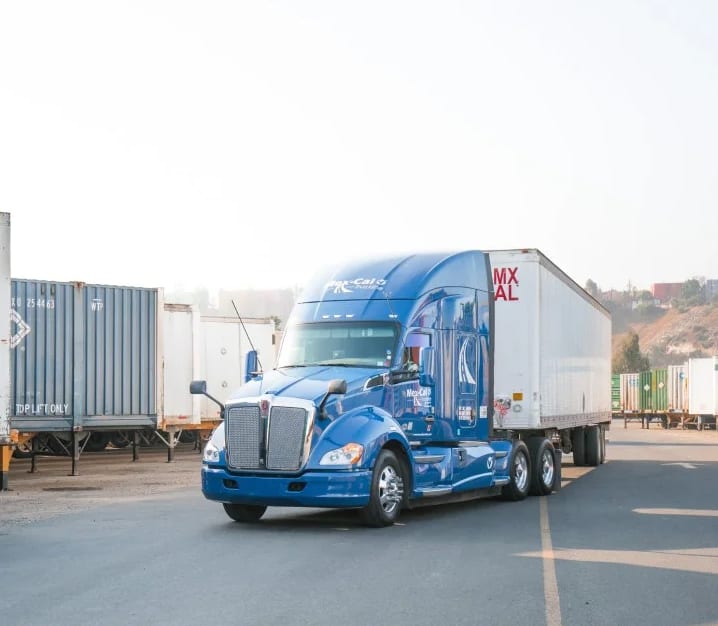
Awareness Without Alarm: Security Practices That Protect Our Drivers and Keep Freight Moving
By Anthony Cloud, Director of Safety & Education, PMTA
There’s a difference between fear and preparedness.
Preparedness is what our industry does best. We plan routes, manage risk, train for the unexpected, and keep moving when the world gets complicated. Lately, federal and state partners have been emphasizing a heightened threat environment and the reality that critical infrastructure-including transportation-can be targeted for disruption.
Commercial drivers are not just moving freight-they’re moving the supply chain. That visibility also makes drivers and trucks potential “soft targets” for bad actors looking for maximum disruption with minimum effort.
This isn’t about panic. It’s about habits-the same way we approach defensive driving: calm, consistent, professional.
The goal: practical actions drivers can use today
The Transportation Security Administration’s highway-mode guidance for motor carriers emphasizes a simple theme: Observe, assess, and report-and do it in a way that protects your safety first.
Below are security practices you can share with your fleet immediately.
Driver Security: 10 habits that reduce risk
1) Park with intention
Safe parking is more than “finding a spot.” It’s selecting an area with visibility, lighting, and a layout that reduces your exposure. If something doesn’t feel right, trust that instinct and choose another option.
2) Make “walk-arounds” a security check too
Pre-trip and post-trip inspections aren’t just mechanical-they’re the perfect time to look for signs of tampering or anything out of place. The TSA guidance recommends being equally diligent after each stop where the vehicle was unattended or unobserved.
3) Use the “HOT” test for suspicious packages
A package is suspicious if it’s Hidden, Obviously suspicious (wires/odors/leaking/ticking/smoking), or not Typical for the location. If it’s “HOT,” don’t touch it-create distance and call authorities.
4) Keep distance and don’t “go investigate”
Guidance is direct: keep your distance from suspicious items, do not approach or tamper with them, and report promptly.
5) Report fast-and don’t assume someone else did
If something feels off, don’t ignore it and don’t assume it’s already been reported.
6) Know the “phone rule” so drivers don’t hesitate
The highway-mode guidance reminds us: non-emergency calls to report suspicious activity are not exempt from DOT distracted-driving rules-drivers should make those calls only when securely parked.
(If it’s an emergency and immediate help is needed, call 911.)
7) When you report, give the “five Ws”
Pennsylvania’s guidance is excellent here: What / Who / Where / When / Why—and don’t put yourself at risk trying to gather more information.
8) Stay professional about what is-and isn’t-suspicious
PA’s homeland security guidance puts it plainly: someone’s speech, beliefs, appearance, or way of life being different does not make them suspicious. We report behaviors and situations that are out of place—then let professionals sort it out.
9) Keep reporting options posted where drivers will see them
For Pennsylvania drivers:
- Emergency: 911
- PA Tip Line: 1-888-292-1919 or tips@pa.gov
National resources also listed in the TSA highway-mode guidance:
- FBI suspicious activity/crime reporting: 1-855-TELL-FBI (1-855-835-5324)
- TSA First Observer: 1-844-TSA-FRST (1-844-872-3778)
10) Don’t ignore cyber angles
Recent threat messaging often includes the possibility of cyber activity tied to geopolitical tension, and encourages reporting cyber incidents to CISA. central@cisa.dhs.gov
For fleets, that translates to basics: treat unexpected texts/links, “dispatch” changes, and login prompts like suspicious cargo—verify before acting.
What you can do this week
- Add a 60-second security reminder to weekly safety messages (observe / assess / report).
- Post a one-page “Who to call” card in cabs and driver rooms (911, PaCIC/PSP tip line, company dispatch).
- Teach supervisors the same “five Ws” so reports are clean and actionable.
- Reinforce that reporting is about behavior and circumstances, not profiling.
Preparedness is not paranoia—it’s professionalism.
If you see something that doesn’t belong, say something the right way, at the right time, through the right channel—and keep yourself safe while you do it.
Make it Safe. Make it Personal. Make it Home.